

Innovation is the promise of progress—the shiny, exciting pursuit of the next big thing. Yet for many leaders, it’s become a source of frustration, not fulfillment. You’ve heard it before: bold declarations about transforming industries, countless brainstorming sessions filled with colorful Post-it notes, and innovation labs designed to revolutionize. But when the dust settles, what’s left? More talk than action. More ideas than results.
This is the reality of innovation fatigue—a growing sense of disappointment when big ideas fail to deliver meaningful impact. Organizations have started to fall out of love with innovation, viewing it less as a transformative force and more as an overhyped promise that rarely delivers. In its place, organizations are embracing a different kind of innovation: one grounded in continuous improvement. This approach prioritizes holistic thinking, forming hypotheses, experimenting, and creating feedback loops to identify when measurable, incremental improvements can achieve goals more effectively than sweeping, radical strategies. Innovation isn’t dead—it’s evolving into something smarter, more intentional, and deeply aligned with real-world results.
How did we get here?
For years, innovation was treated as a silver bullet. Organizations invested in flashy innovation labs, encouraged disruptive thinking, and chased moonshot ideas. Yet, these efforts often lacked grounding in the realities of execution. Instead of transforming businesses, many innovation initiatives produced little more than PowerPoint decks, half-finished prototypes, and a trail of unmet expectations.
This isn’t to say innovation is bad—but the way we’ve approached it has often been disconnected from the systems and structures that define long-term success. Big ideas without a clear pathway to implementation are like seeds without soil: full of potential but unlikely to grow.
The Rise of Smarter Innovation
In response to this fatigue, a more grounded approach to innovation is emerging. It’s not about abandoning bold ideas—it’s about integrating them into a broader framework that values incremental progress and measurable outcomes. This approach borrows from practices like systems thinking and lean methodologies, focusing on:
- Holistic Perspectives: Viewing problems as interconnected parts of a larger system rather than isolated issues.
- Experimentation and Feedback Loops: Testing hypotheses through small, actionable steps and using data to guide decisions.
- Incremental Improvements: Prioritizing measurable progress over disruptive change for the sake of disruption.
By adopting these principles, organizations are finding ways to innovate that align with their goals, improve stakeholder confidence, and deliver tangible results.
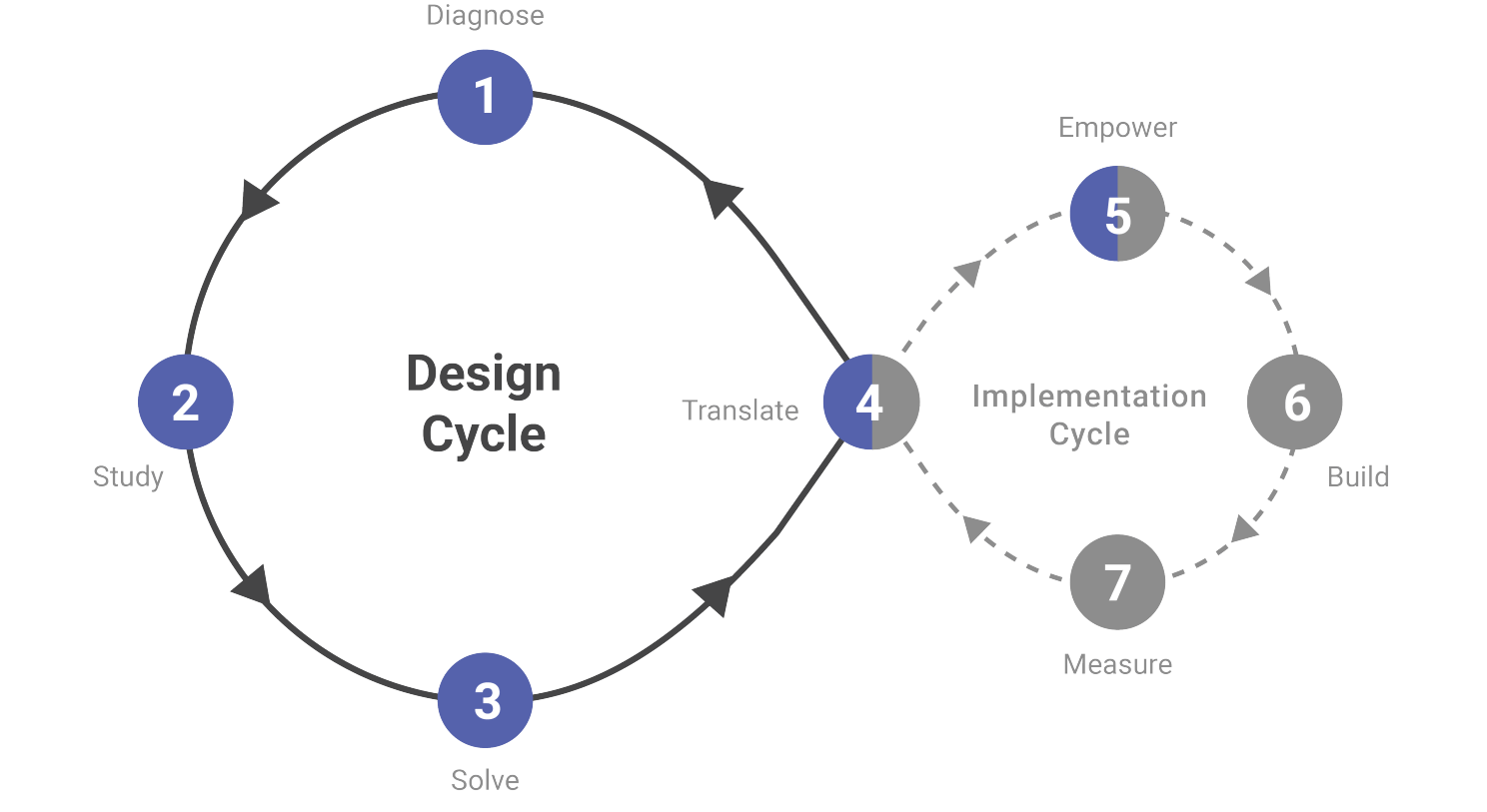
A different approach to innovation that is grounded in making a positive impact.
Innovation Is Evolving, Not Disappearing
Let’s be clear: innovation isn’t going away. But its role is shifting. The days of radical, headline-grabbing moonshots as the primary driver of progress are giving way to a more sustainable model. At The Moment , we’ve embraced this shift with our Insight to Impact (I2I) offering—a framework designed to move organizations from abstract ideas to measurable outcomes. I2I is built on the principle that innovation is no longer about chasing the next big thing; it’s about aligning systems, services, and products to create meaningful, sustainable change.
Waking Up From Innovation Fatigue
If your organization is feeling the weight of innovation fatigue, here are three strategies to reclaim its potential:
- Start with Diagnostics: Before jumping to solutions, take the time to diagnose the problem. Understand the system you’re working within, its interdependencies, and where opportunities for improvement lie.
- Define Success Clearly: Tie your innovation efforts to specific, measurable outcomes. Avoid vague goals like “becoming more innovative.” This may sound simple; it's forgotten or unclear more often than you might think.
- Embrace Iteration: Build small, testable improvements that can scale. Use feedback loops to refine your approach and ensure progress is aligned with your broader goals.
The Future of Innovation Is Intentional
Innovation fatigue doesn’t have to be the end of bold ideas—it can be a turning point. By shifting focus from ideation to action, from disruption to intentional progress, organizations can reclaim innovation’s promise. The future of innovation isn’t about chasing the next big thing—it’s about creating meaningful, sustainable change, one thoughtful step at a time.
If you're ready to rethink innovation, lets chat.

Jordan Julien
Jordan (he/him) is passionate about making products better for people, especially those who are often overlooked or underserved. He believes great design should be accessible, inclusive, and built with real people in mind.