

The Call to Adventure: Picture a skilled design team, brimming with ideas to transform how their organization delivers value. They embark on their mission with confidence, only to find that the most formidable challenges lie not in their work, but in the invisible forces within the organization itself.
Even the most capable human-centered design and digital teams—those adept at customer research, service design, and rapid product prototyping—encounter unexpected barriers in organizations with low to moderate design and digital maturity. Despite their expertise, they often find themselves grappling with organizational limitations and dysfunctions that block their path.
This is the call to adventure: the challenge of creating meaningful change in the face of complex organizational barriers.
The Guardians
As the team ventures further, the first obstacles arise—entrenched systems and cultural norms that test their resolve. These barriers lurk like trolls beneath the bridge, demanding proof of value and adherence to tradition before allowing passage.
To navigate these murky waters, stakeholdering becomes the design team’s survival skill. They focus on building alliances, managing expectations, and gaining buy-in from decision-makers. Yet even as they hone these skills, the invisible forces within the organization often remain the most formidable challenge.
At The Moment we call this the invisible project - the unspoken work that exists behind every design effort. It’s not on the roadmap, but it’s essential. It involves addressing unseen dynamics, aligning systems, and overcoming the entrenched behaviors that can derail even the most promising initiatives.
Culture Below the Waterline: The Road of Trials
Many of these organizational challenges are written off as “culture”—that all-encompassing term for the way things work (or don’t) within an organization. But culture is often misunderstood, reduced to vague statements about values or team morale. In reality, culture is more like an iceberg. Above the surface are visible elements—processes, norms, and stated values. Below the waterline lies the much larger, hidden mass: unspoken rules, historical tensions, and entrenched habits waiting to shift the course of even the best-laid plans.
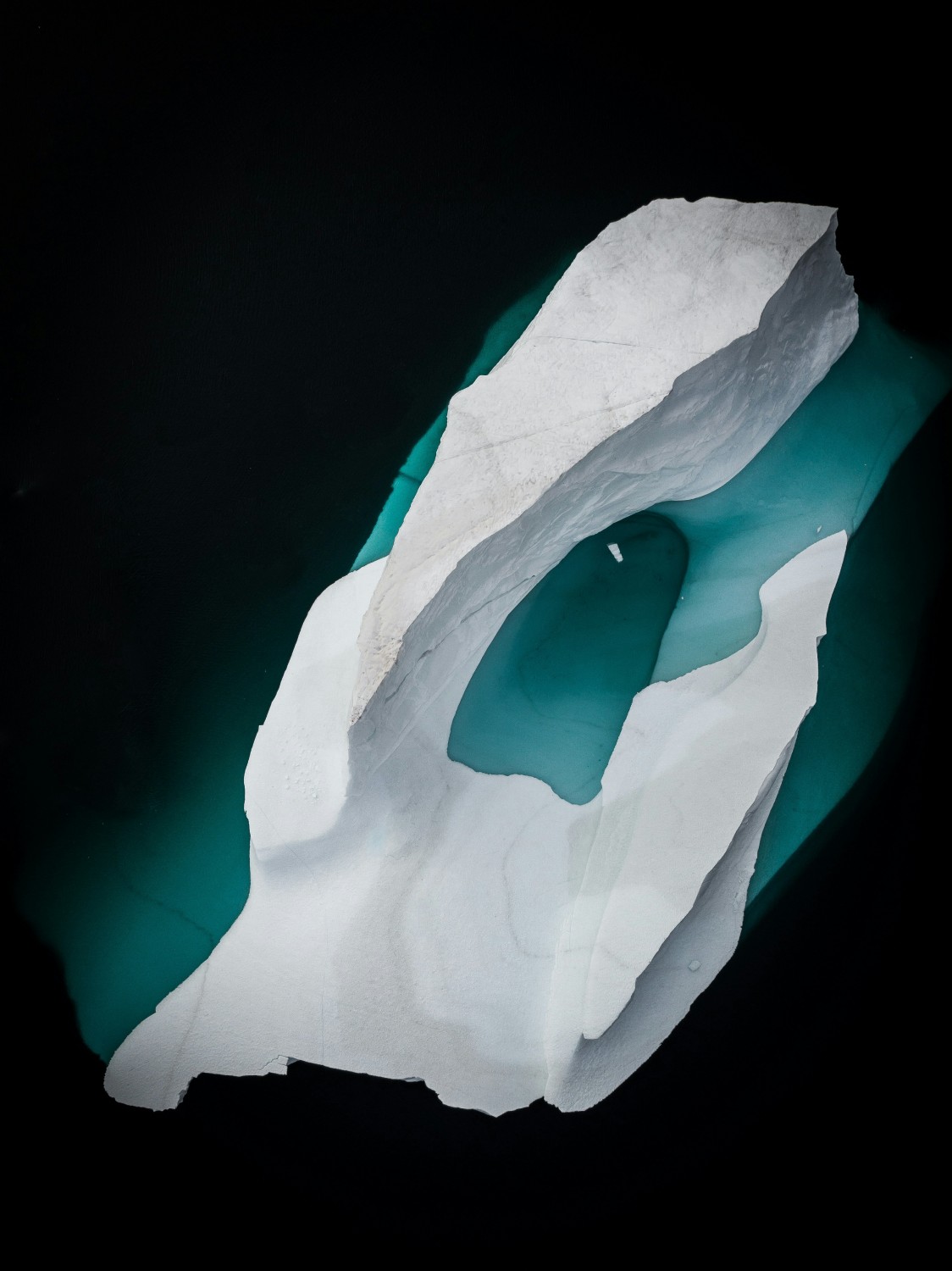
Photo by @anniespratt via Unsplash
These submerged forces are the real trials teams face. They strike when least expected, dragging the team into cycles of firefighting. Without addressing what lies beneath, progress is often slow, and impact remains elusive.
The Guide
Every hero’s journey needs a guide—someone who can see beyond the immediate challenges and help navigate the treacherous waters ahead. This is where I step in.
As an outside advisor and coach, I bring a fresh perspective, helping teams look beneath the surface to map the cultural and systemic forces at play. Organizational culture is like the air we breathe or the water we swim in—so ubiquitous that it’s often invisible to those immersed in it. My role is to make the invisible visible, name it as real work to be tackled, and, when necessary, challenge the long-held orthodoxies that stand in the way of progress.
Mapping the System: Seeing the Shadows
Once the shadows are uncovered, the next step is to map them. Mapping the organizational system reveals how hidden dynamics interact and shape how work gets done. Suddenly, what was once invisible becomes tangible and actionable.
With this clarity, teams can name and address the real challenges. They can shift their focus from merely surviving the trials to actively designing solutions that empower them to make meaningful change. This is a pivotal moment in the journey, as the obstacles transform into stepping stones for progress.
Insight to Impact: The Transformation
This transformative step of mapping the organizational system lies at the heart of our Insight to Impact offering. With this approach, teams gain the insight to anticipate and navigate what lies below the waterline. They move from reacting to hidden barriers to proactively addressing them, creating the conditions for integrated, scalable solutions.
This is the transformation: the point where barriers are no longer threats but opportunities for growth.
The Return
Having crossed the bridge and navigated the trials, the team emerges stronger, equipped with more than just solutions. They return with a new way of seeing and navigating their organization—an ability to identify hidden challenges, align systems, and drive impact long after the project ends.
For me, there’s nothing more rewarding than supporting teams through this journey. Helping them turn obstacles into opportunities and enabling them to drive meaningful change through design is deeply fulfilling. The journey is filled with challenges, but every step is worth it—and it’s one I’m honored to support.
Why This Matters
Organizations can no longer afford to leave the invisible project unchecked. By addressing the hidden dynamics of culture and systems, we create the conditions for design to truly succeed. If your team is ready to embark on this journey, I’d love to partner with you. Let’s cross the bridge together.

Mark Kuznicki
Mark (he/him) is the kind of person you want around when things feel messy. He has a knack for bringing clarity to complexity, helping teams, leaders, and organizations navigate change in a way that makes them more sustainable and ready for the future.